The Buildings of Lincoln Center: A Complete Cultural Guide
Lincoln Center is more than a collection of performance venues—it is one of New York City’s most important cultural landmarks, where architecture, art, and history come together on a single campus. From world-famous opera and ballet stages to intimate theaters, concert halls, and film spaces, each building plays a distinct role in shaping the city’s creative life.
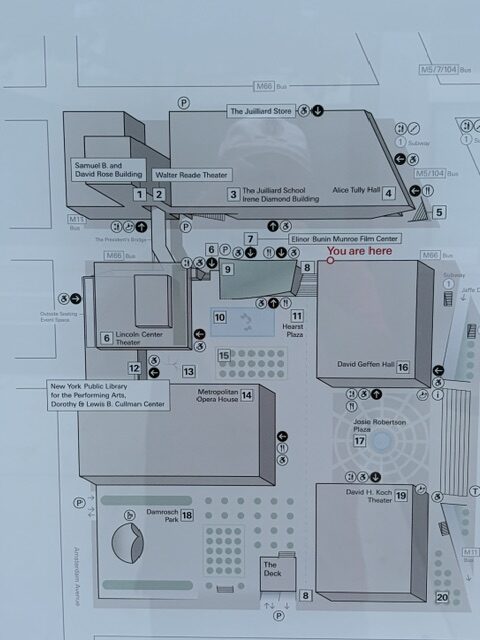
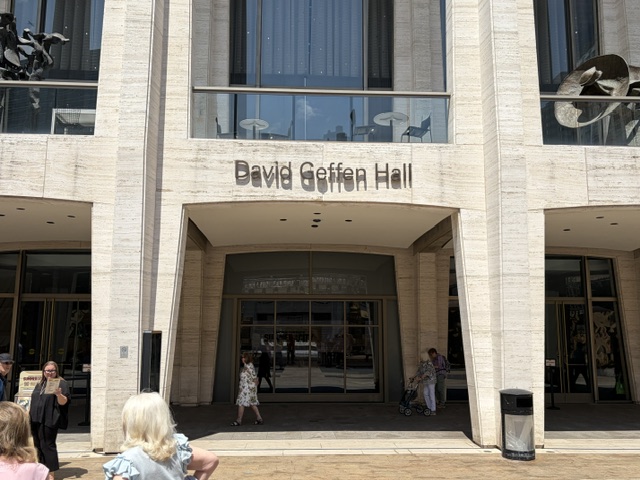
David Geffen Hall is the signature symphonic home of Lincoln Center and the house of the New York Philharmonic, with a design that emphasizes public access, flexible performance space, and a more open connection between the campus and visitors. Its current season includes concerts and community programming tied to Summer for the City, including the Beethoven-focused events and the Ruidosa Fest appearance on July 12, 2026, which highlights the hall’s continued role as a live-music hub. The building also made history through its major 2022 reopening after a major renovation, which transformed the concert-going experience and introduced the Wu Tsai Theater inside the hall.
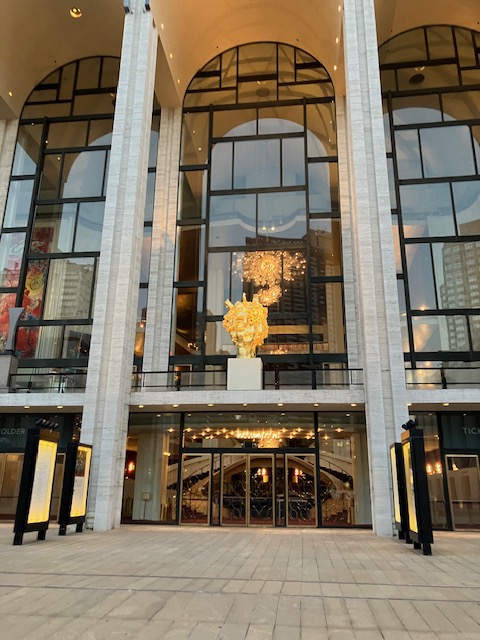
The Metropolitan Opera House is the grandest building on the campus and the home of the Metropolitan Opera, known for its monumental façade, dramatic lobby spaces, and a stage built for large-scale opera productions. Across the year, it anchors Lincoln Center’s opera calendar and remains one of the most important stages in American performing arts, especially during major repertory seasons and gala events. Its history includes the 1966 opening of the Metropolitan Opera House, one of the landmark moments in Lincoln Center’s development, and it has long been the site of major premieres, star turns, and opening-night occasions that define New York’s opera scene.
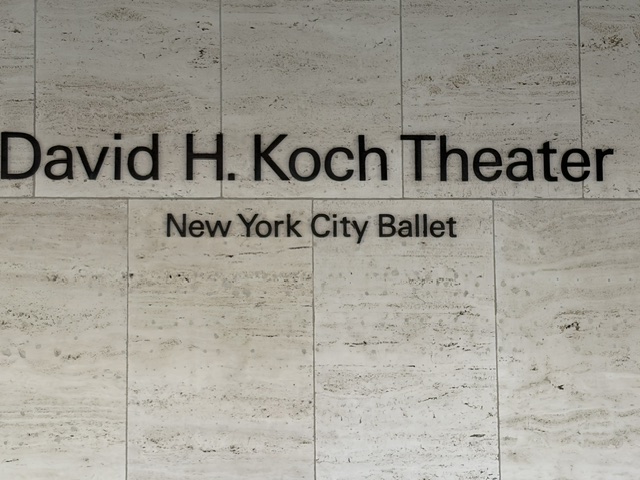
David H. Koch Theater is the ballet house of Lincoln Center, identified by its distinctive circular design and its long association with New York City Ballet. The theater hosts major dance programming throughout the year, including full-company ballets, revivals, special programs, and seasonal favorites that draw both devoted dance audiences and first-time visitors. It made history as the former New York State Theater when it opened in 1964, giving New York City Ballet a permanent home and helping establish Lincoln Center as a global center for dance.
Alice Tully Hall sits within the Juilliard building and serves as a major chamber-music and recital venue, with a reputation for acoustic clarity and intimate scale. In the current season, it remains a key space for concerts, recitals, film-related talks, and Lincoln Center presentations that benefit from a smaller, more focused setting. The hall made history in 1969 when it opened as part of Lincoln Center’s expansion, and its 2009 redevelopment turned it into one of the campus’s best-known modernized performance rooms.
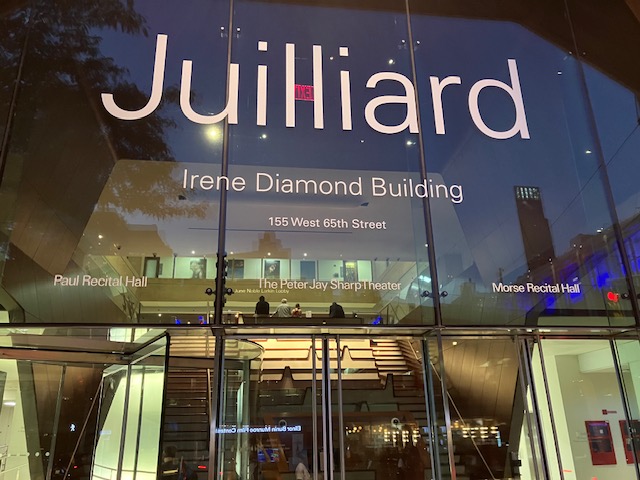
The Juilliard School building is more than a school; it is a working performance complex with recital halls, studios, and theaters that feed the artistic life of the entire campus. Throughout the year, it supports student concerts, dance performances, drama productions, and summer programming that often connects to broader Lincoln Center festivals and educational events. Its place in Lincoln Center history is significant because the campus expansion that brought Juilliard to the site helped make the area a multi-artform training ground rather than a single-purpose performance district.
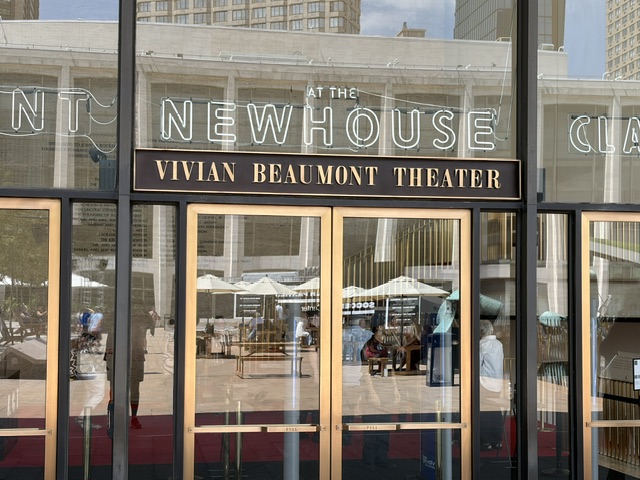
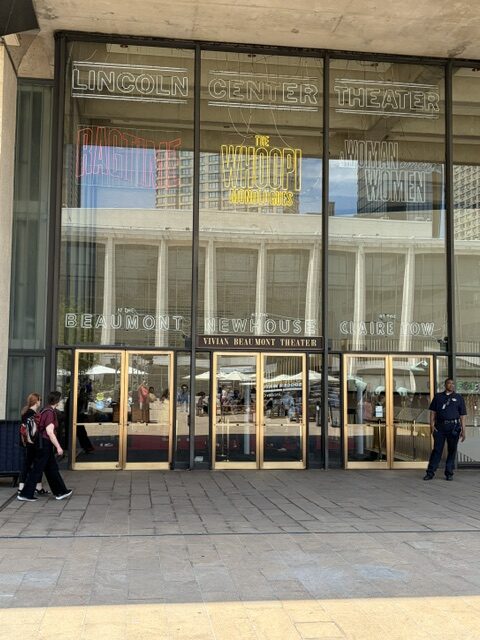
Vivian Beaumont Theater is Lincoln Center Theater’s flagship Broadway house, built in a striking modernist style that sets it apart from the opera and ballet venues around it. During the year, it hosts major plays and revivals, giving Lincoln Center a strong dramatic-theater presence alongside music and dance. The theater made history when it opened in 1965, and later became the main stage of Lincoln Center Theater in 1985, cementing its status as one of the most important serious-theater venues in the country.
Mitzi E. Newhouse Theater offers a smaller, more flexible Off-Broadway-style stage for Lincoln Center Theater productions and experimental work. Its programming usually includes intimate dramas, actor-centered pieces, and projects that benefit from close audience proximity and a less formal setting. The building’s history is tied to the 1965 opening of the original Forum space, which helped broaden Lincoln Center beyond large prestige productions into more adventurous theatrical work.
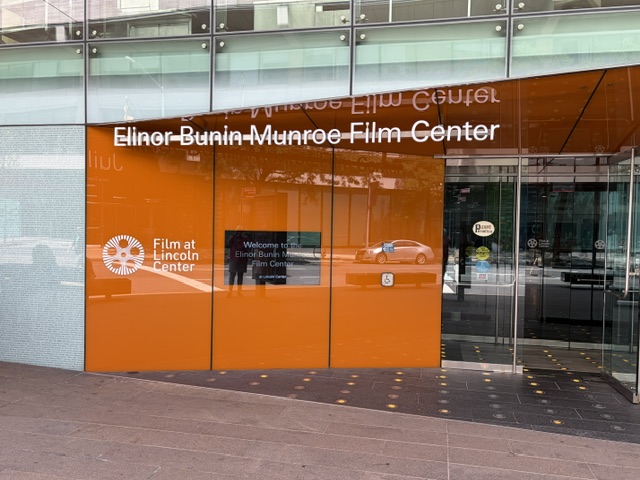
The Walter Reade Theater and Elinor Bunin Munroe Film Center form Lincoln Center’s film presence, giving the campus a daily cinematic life that complements its live-performance identity. These spaces host film screenings, festivals, talks, retrospectives, and special events connected to Film at Lincoln Center, including the New York Film Festival ecosystem. The film center is part of the campus’s modern redevelopment era, and its growth marked a historic expansion of Lincoln Center into a year-round home for cinema as well as stage performance.
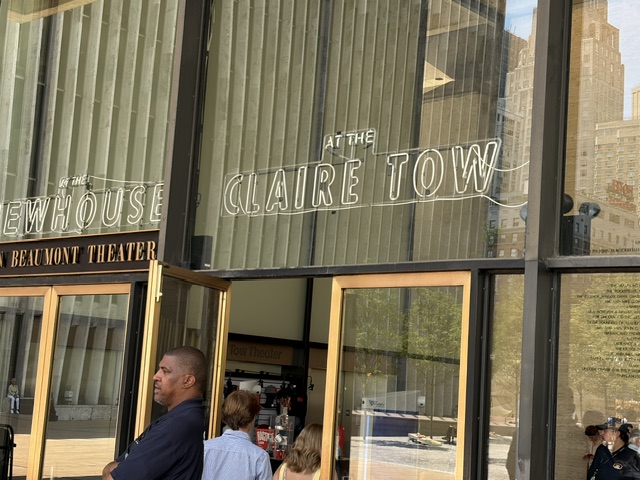
Claire Tow Theater is a compact, contemporary venue used by Lincoln Center Theater for more experimental productions and newer voices. Its year-round programming often includes risk-taking work that would be too intimate or unconventional for the larger houses on campus. The theater opened in 2012, making it one of the newer additions to the Lincoln Center complex and a sign of the institution’s ongoing evolution.
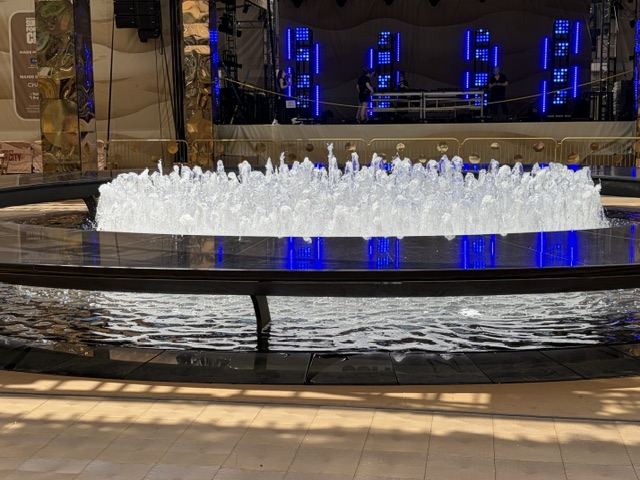
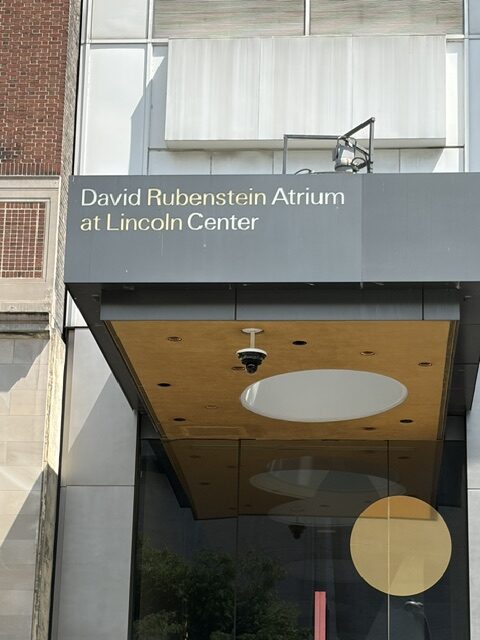
The David Rubenstein Atrium and Josie Robertson Plaza are not just public spaces but important gathering points that shape the atmosphere of Lincoln Center year-round. The atrium offers free performances, visitor services, and casual access to the campus, while the plaza and fountain area serve as the social heart of festivals, outdoor concerts, and public celebrations. Together, they represent one of Lincoln Center’s most important historical shifts: moving from an elite performance district toward a more open, urban, and participatory cultural campus.


You May Also Like
Self-Guided Walking Tour – Lesser Known (but Popular) Places to Visit
Must See Coffee House on the Upper West Side