
Best Historic Architecture to See on the Upper West Side
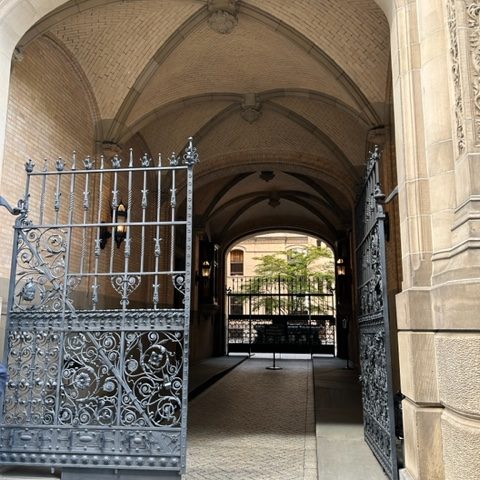
The Upper West Side is one of the best neighborhoods in New York City for an architecture walk. Its streets are lined with historic apartment houses, grand cultural institutions, and landmark buildings that showcase more than a century of design. From ornate late-19th-century façades to early-20th-century towers, the neighborhood offers a rewarding walk for anyone who appreciates architecture, history, or classic New York streetscapes. Photo above, entrance to the Dakota.
Why the Upper West Side stands out
What makes the Upper West Side so appealing is the variety packed into a highly walkable grid. In just a few blocks, visitors can see Renaissance Revival, Beaux-Arts, Gothic Revival, and Art Deco architecture side by side. The neighborhood grew rapidly during Manhattan’s westward expansion, and that development left behind an impressive collection of buildings that still define the area today.
The Dakota
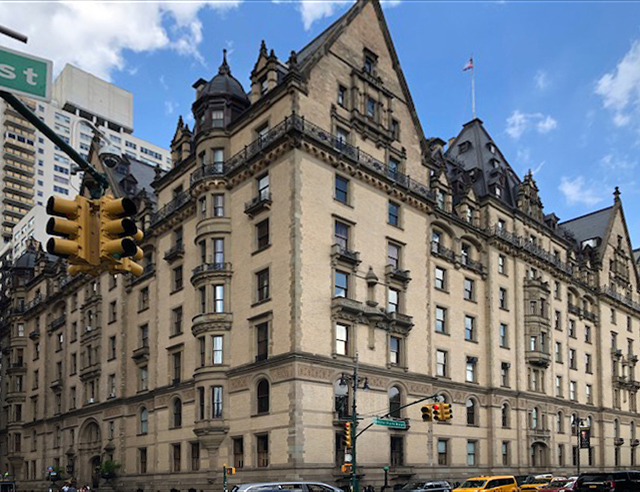
One of the most famous Upper West Side landmarks is The Dakota, completed in 1884. Its steep rooflines, arched windows, and elaborate detailing make it one of the most recognizable apartment buildings in New York City. Positioned across from Central Park, The Dakota helped set the tone for luxury residential architecture on the Upper West Side and remains a must-see stop on any walking tour.
The Ansonia and other Beaux-Arts gems
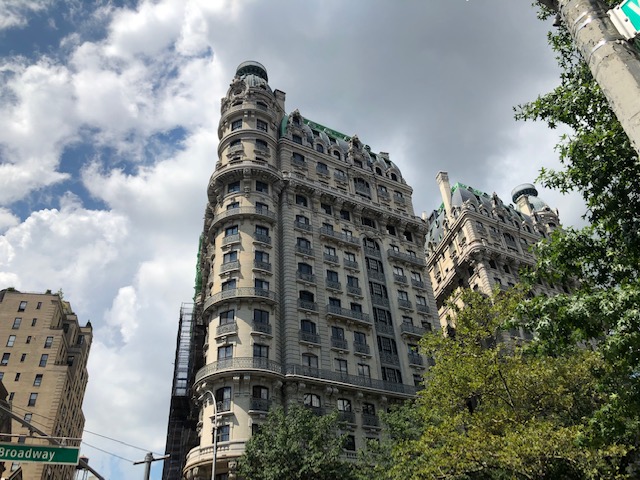
The Ansonia is another standout, known for its dramatic scale, rounded towers, and ornate Beaux-Arts styling. Built in 1904, it reflects the period when apartment living became associated with elegance and status. Nearby, the Dorilton adds even more architectural interest with decorative stonework and a richly detailed entrance. Together, these buildings show how developers used architecture to make a statement during the neighborhood’s boom years.
Central Park West landmarks

Central Park West is home to some of the Upper West Side’s most iconic towers. The San Remo, completed in 1930, is known for its twin towers and graceful blend of classical and Art Deco influences. The El Dorado, with its bold vertical lines and crown-like top, is another essential stop for architecture lovers. These buildings help create one of Manhattan’s most memorable skyline views.
Cultural landmarks worth seeing
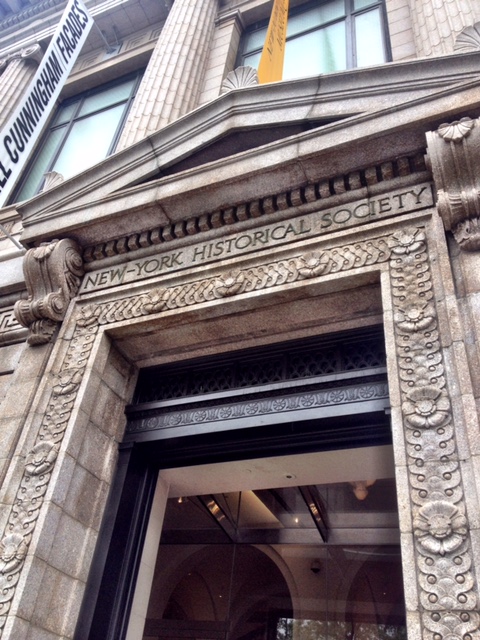
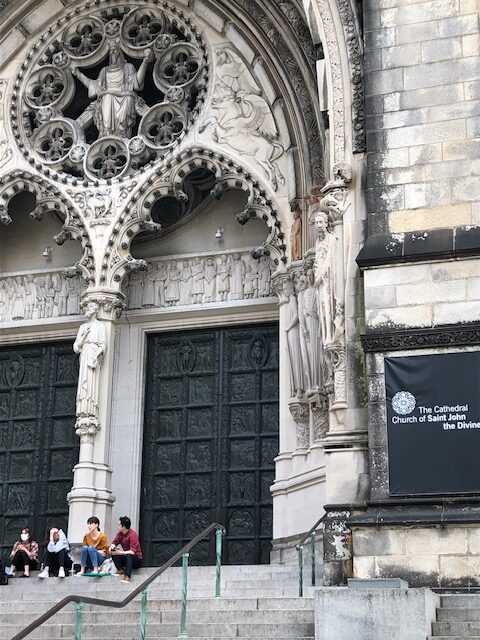
The Upper West Side’s architecture is not limited to residential buildings. Major cultural and civic landmarks also shape the neighborhood’s identity. The New York Historical building, with its classical design and formal presence, adds institutional weight to the area. The Cathedral of St. John the Divine, just north of the neighborhood’s core, is one of the most impressive Gothic Revival structures in New York and an unforgettable sight on foot.
Best way to explore
The best way to experience this architecture is by walking slowly and looking up. Start near 72nd Street and Central Park West, then continue north through the avenues and side streets where historic buildings reveal their details one block at a time. Cornices, towers, ironwork, and carved stone all reward a closer look. For travelers and locals alike, the Upper West Side offers one of the most satisfying architecture walks in Manhattan.


You May Also Like

Lesser Known (but Popular) Places to Visit on the UWS

12 Most Famous UWS Residents – #7 Will Surprise You